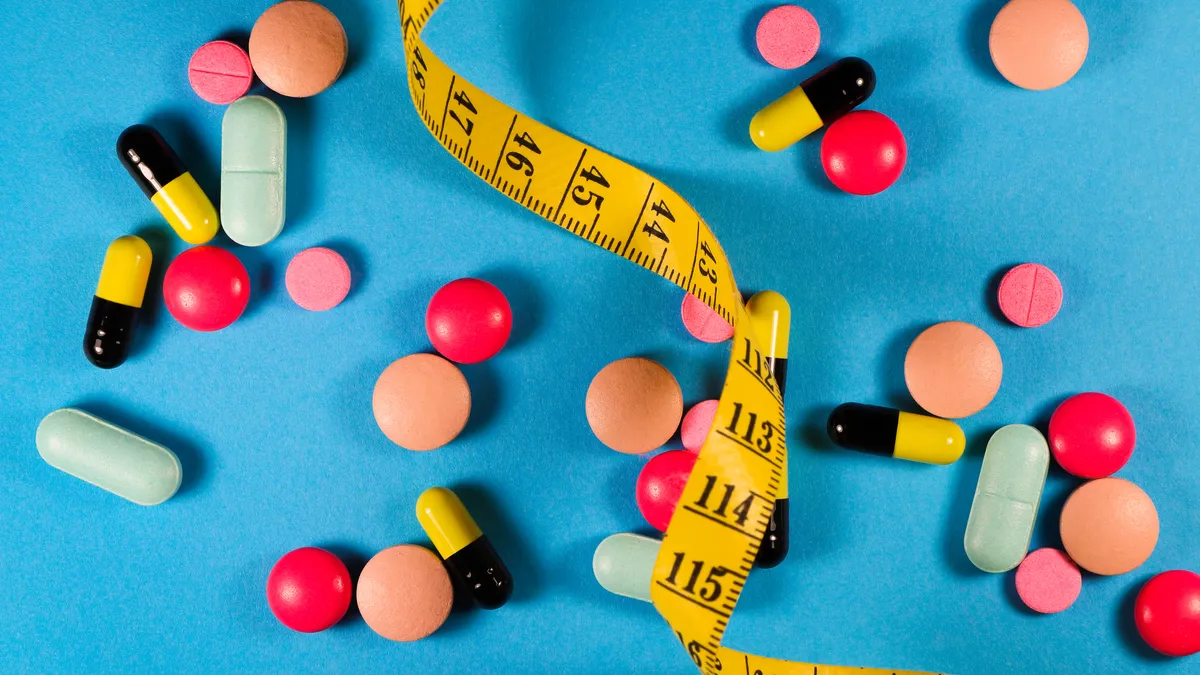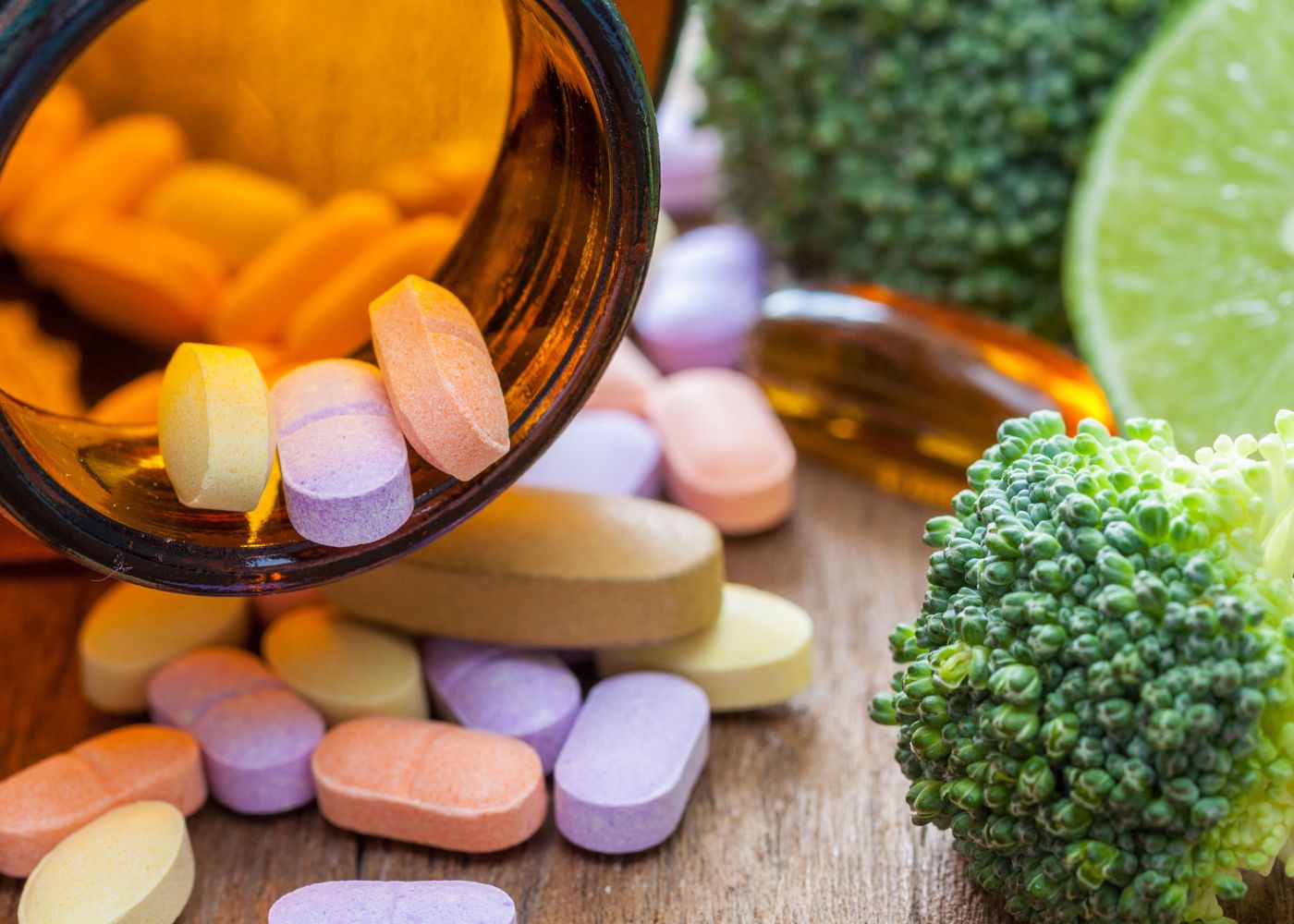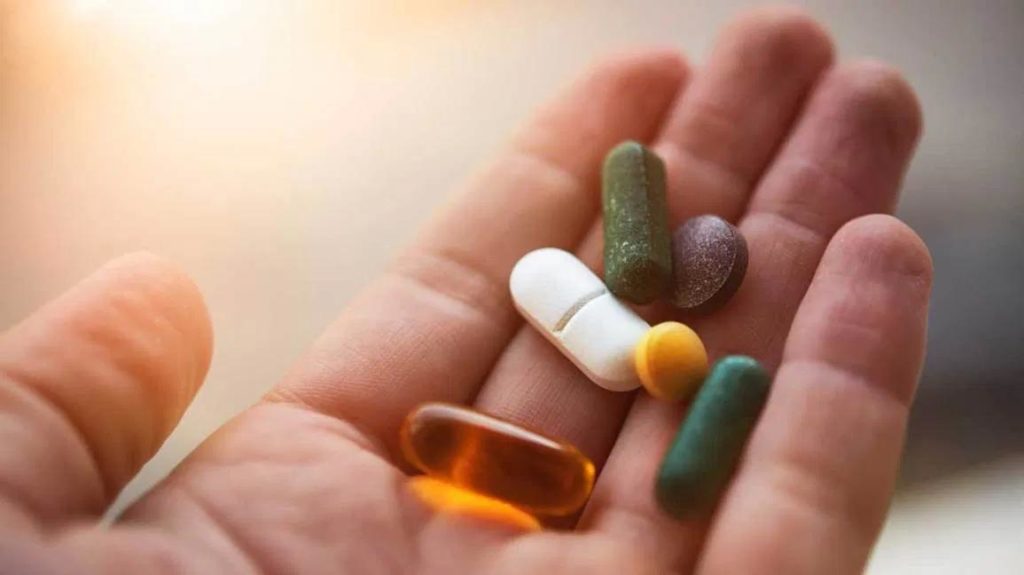
Supplements, diet pills and vitamins. Everyone with a promise to help you lose weight faster. But which ones really work?
Let’s get one thing out of the way – There is no magic diet pill. If there was I would patent the formula and take it myself. Then I would retire on a tropical island and live off prescription refills. I would sleep well knowing I had cured the worldwide obesity epidemic!
But what about all of the claims of rapid weight loss results with taking one little pill? What could it hurt? Anytime you put anything in your body that has possible side effects, you could be damaging more than your wallet!
Diet Plans
Have you looked at today’s celebrities flaunting their new size zero status and ever thought of how they got there? Or are you one of those who followed a celebrity endorsed diet plan only to feel dejected at the end of it all? You are not the only one, there are millions like you reeling in the same boat, wanting to lose weight and look as glamorous as their celebrity.
Results of Dieting
The only difference is that we get dejected too soon, since we don’t see immediate results. Nothing that is good for you is attained easily, and although we know about it, we still pine for us to lose those unwanted inches fast. If patience is not your virtue, then there is one diet plan that will help you lose weight soon. This weight loss program will ensure that all of your body fats are converted to muscles that are adorable. These will make your body looker firmer, trimmer, and you’ll feel in shape.
Proteins in Diet
Introducing proteins into your diet will ensure that you build up on muscle and not on fat. With the right kind of proteins included in your dietary plans you will supercharge your weight loss routines.
Most of these protein rich foods will pump up your metabolism and will also help keep your weight under check. Proteins work scientifically on your body, reduce stress on your body, take care of inflammation as well as reduce stress eating. It also provides enough fiber to the body thereby helping in reducing weight.
What are Weight Loss Supplements?
Definition and Purpose
Weight loss supplements are products designed to aid in reducing body weight. They come in various forms, including pills, powders, capsules, and liquids. Their primary goal is to support fat loss, reduce appetite, increase metabolism, or block fat absorption. These products are not replacements for a balanced diet or exercise but are intended to complement a healthy lifestyle.
Common Ingredients
Supplements often contain natural or synthetic compounds that target specific weight loss processes. Popular ingredients include:
- Green tea extract: Boosts metabolism and fat oxidation.
- Garcinia Cambogia: May reduce appetite and fat storage.
- Caffeine: Increases energy and promotes calorie burn.
- Fiber supplements: Enhance feelings of fullness and reduce calorie intake.
These ingredients can work individually or in combination to support weight management goals.
Types of Weight Loss Supplements
There are several categories based on their mechanism of action.
- Appetite suppressants: Reduce hunger and calorie intake.
- Fat burners: Stimulate thermogenesis to increase calorie burn.
- Fat blockers: Prevent the absorption of dietary fat.
- Metabolism boosters: Support energy production and nutrient utilization.
Each type works differently, and effectiveness varies depending on the individual’s body and lifestyle.
Safety and Regulation
Weight loss supplements are not strictly regulated like prescription medications. This means that quality, potency, and ingredient accuracy can vary between brands. Choosing supplements with clinical studies, third-party testing, or certification can reduce risks. Consulting a healthcare provider is recommended before starting any supplement.
Weight loss supplements are products designed to assist with fat loss, appetite control, or metabolism enhancement. Their types, ingredients, and effectiveness vary, and they are most effective when used alongside proper diet and exercise.
How Weight Loss Supplements Work
Appetite Suppression
Many weight loss supplements work by reducing appetite. Ingredients like glucomannan, 5-HTP, and certain fibers create a feeling of fullness, helping people eat less naturally. Supplements that suppress appetite can be particularly helpful for those who struggle with frequent snacking or overeating. The reduction in calorie intake supports weight loss without requiring extreme dieting.
Metabolism Boost
Some supplements aim to increase the body’s metabolic rate. Ingredients such as green tea extract, caffeine, and L-carnitine stimulate thermogenesis, a process where the body burns more calories to produce heat. By slightly raising the metabolic rate, these supplements may help the body use stored fat for energy more efficiently. However, the effect is often modest and works best when paired with regular exercise.
Fat Absorption Blockers
Other supplements reduce the absorption of dietary fat. Compounds like chitosan and orlistat attach to fat molecules in the digestive tract, preventing them from entering the bloodstream. These products can lower overall calorie intake from fat but may cause digestive side effects such as bloating or loose stools. They are more effective when combined with a low-fat diet.
Nutrient Support
Certain weight loss supplements provide vitamins and minerals that support metabolism and energy. For example, B vitamins, magnesium, and chromium help convert food into energy and maintain normal blood sugar levels. This ensures that calorie restriction or increased activity does not lead to nutrient deficiencies.
Weight loss supplements work through appetite suppression, metabolism boost, fat absorption reduction, and nutrient support. Their effectiveness varies depending on ingredients, dosage, and individual lifestyle factors, and they are most beneficial when combined with a balanced diet and exercise.
The Role of Vitamins in Weight Management
Supporting Metabolism
Vitamins play a key role in maintaining an efficient metabolism. B-complex vitamins, including B1, B2, B3, B6, and B12, are essential for converting food into energy. Without adequate levels, the body may burn calories less efficiently, slowing down weight loss efforts. Ensuring sufficient intake of these vitamins helps maintain energy levels and supports active metabolism during dieting or exercise.
Regulating Blood Sugar
Certain vitamins help stabilize blood sugar levels. Chromium, vitamin D, and magnesium contribute to insulin sensitivity and glucose regulation. Stable blood sugar prevents sudden spikes and crashes that can trigger cravings or overeating. This makes it easier to maintain a healthy calorie intake and supports long-term weight management.
Reducing Fatigue
Fatigue can hinder consistent exercise, and vitamins can help combat it. Iron, vitamin C, and B vitamins contribute to red blood cell production and oxygen transport, ensuring the body has the energy needed for physical activity. Adequate energy levels make workouts more effective, supporting fat burning and muscle maintenance.
Supporting Fat Metabolism
Certain vitamins assist in breaking down and utilizing fat. For instance, vitamin B5 and vitamin D influence lipid metabolism, allowing stored fat to be used as energy more effectively. This supports gradual and sustainable weight loss when combined with proper nutrition and physical activity.
Preventing Nutrient Deficiency During Dieting
Restrictive diets can lead to vitamin deficiencies. Supplementing with essential vitamins ensures the body maintains normal metabolic processes, immunity, and overall health. This reduces the risk of fatigue, hormonal imbalance, and slowed metabolism, which are common side effects of prolonged calorie restriction.
Vitamins support weight management by aiding metabolism, stabilizing blood sugar, reducing fatigue, enhancing fat metabolism, and preventing deficiencies. Adequate vitamin intake ensures the body functions optimally during diet and exercise, making weight loss safer and more effective.
Weight Loss Vitamins
Let me tell you what a vitamin is and how useful they can be. A vitamin is an organic compound and these are essential to help your body grow and remain healthy. What this means, in simple terms, is that a vitamin is a natural chemical that is essential to your overall health. Of the essential vitamins, there are thirteen major ones, the lack of any one of them can mean you are deficient in a certain vitamin.
Vitamin Types
Vitamins come in two distinct types, those soluble in fats and those soluble in water. Of the major vitamins, A, D, E and K are the ones soluble in fats. Vitamins B and C are water-soluble. These water-soluble vitamins are not stored by the body and thus, we need to top these vitamins up regularly.
On the whole, if you are on a normal, well-balanced diet, it should provide your body with all the vitamins it needs, but if your diet is not fully balanced then you may need to supplement the vitamins you receive in your diet. This shows that vitamin supplements can be useful. Some of the following may suggest if you may need help with your vitamin intake.
How Vitamins Help
Vitamin B12 is found in meats, so this is something vegetarians need to look out for. Vitamin C and B can be lacking in elderly people. People working on night shifts could have a lack of vitamin D as your body produces this during sunlight hours.
Overworked people, people under pressure and people suffering from stress could also be lacking in vitamin B and C. People on diets can also have a lack of these 2 vitamins.
Vitamin B can be lacking in heavy drinkers and vitamin C deficiency can be a problem area for heavy smokers as well as heavy drinkers.
How to Take Vitamins for Weight Loss
Vitamins are usually taken into the body orally. Some vitamins can be taken by injection such as vitamin B12, but it is important that this is only carried out by a fully qualified medical practitioner. By taking vitamins orally, they have to pass through your digestive system and the strong acids in your stomach can destroy much of the usefulness of the vitamins so you have to ensure you take the recommended dose, not more or less, but the recommended dose.
I hope I haven’t spoiled your views on vitamins, but you must remember that even though you may have a healthy and well-balanced diet, the natural processes of your body can destroy some of the value of the vitamins you absorb. If you want to help preserve their effectiveness than eating fresh foods and only cooking foods lightly will help increase the usefulness of the vitamins.
Weight Loss Supplements with Vitamins
Vitamin supplements can be used to help boost any vitamin deficiencies you may have, and extra vitamins are most easily obtained, (and used), in tablet form. Vitamin tablets can either be multi vitamins or single vitamin types.
The decision as to what you take is up to you, unless of course you have been advised to take a vitamin supplement by your doctor. Vitamin C is often taken in the winter and the time leading up to it. This has been shown to help keep the common cold at bay.
You must only take vitamins to help supplement a well-balanced diet and do not go overboard, so take vitamin supplements in moderation.
Take only as much as you need and no more, and if your diet is as good as it should be, then you may not need any vitamin supplements. You must remember that they are, as the name suggests, supplements, and they are not designed to replace a well-balanced diet. Be sensible and use vitamin supplements carefully.

Potential Risks and Side Effects
Liver and Kidney Stress
Some weight loss supplements can put stress on the liver and kidneys. Ingredients like high doses of caffeine, green tea extract, or certain herbal compounds may overload these organs, especially when taken long-term or combined with other medications. This can lead to elevated liver enzymes, kidney strain, or in rare cases, more severe organ damage. Regular monitoring and moderation are important for anyone using supplements.
Cardiovascular Effects
Certain supplements may impact heart health. Stimulants such as caffeine, synephrine, and bitter orange extract can raise heart rate and blood pressure. Individuals with pre-existing cardiovascular conditions, such as hypertension or arrhythmia, are at higher risk of complications. Even in healthy adults, excessive intake can cause palpitations, dizziness, or anxiety.
Digestive Issues
Digestive discomfort is a common side effect of fat blockers and high-fiber supplements. Products like orlistat or chitosan can cause bloating, diarrhea, and flatulence. Fiber-based supplements like glucomannan may also cause constipation or abdominal cramps if not taken with sufficient water. Gradual introduction and proper hydration can help reduce these side effects.
Interactions with Medications
Weight loss supplements can interact with prescription or over-the-counter medications. For example, stimulants may interfere with blood pressure or heart medications, while fat blockers can reduce absorption of fat-soluble vitamins and certain drugs. Consulting a healthcare provider is essential to avoid dangerous interactions.
Psychological Impact
Relying on supplements alone can affect mental health and eating behavior. Some individuals may develop unrealistic expectations, leading to frustration or disordered eating patterns if results are slow or inconsistent. Awareness and balanced goal-setting are necessary to maintain both physical and mental well-being.
Weight loss supplements carry potential risks including liver and kidney stress, cardiovascular effects, digestive issues, medication interactions, and psychological impacts. Understanding these risks helps users make informed decisions and use supplements safely alongside diet and exercise.
Combining Supplements with Diet and Exercise
Enhancing Effectiveness
Weight loss supplements are most effective when combined with a balanced diet and regular exercise. Supplements alone rarely produce significant results because they do not replace the calories burned through activity or the nutrients obtained from food. Pairing them with a nutrient-rich diet ensures the body receives essential vitamins and minerals while supporting fat loss.
Complementing a Healthy Diet
Supplements can fill gaps in nutrition during calorie restriction. When reducing calorie intake, it is easy to miss essential nutrients like B vitamins, vitamin D, magnesium, and fiber. Supplements help maintain energy levels, support metabolism, and prevent nutrient deficiencies, allowing for safer and more sustainable weight loss.
Supporting Physical Activity
Exercise increases the benefits of weight loss supplements. Cardio, strength training, and high-intensity interval workouts enhance calorie burn and improve muscle tone. Supplements that boost energy or metabolism work better when the body is active, helping users achieve results faster while maintaining lean muscle mass.
Timing and Dosage
Correct timing and dosage improve supplement efficiency. Some supplements, such as caffeine or green tea extract, are most effective when taken before workouts, while others, like fiber or fat blockers, should be taken with meals. Following recommended dosages reduces the risk of side effects and maximizes benefits.
Long-Term Lifestyle Approach
Sustainable weight management relies on consistent lifestyle habits. Supplements should be treated as a tool rather than a solution. Maintaining a balanced diet, regular physical activity, adequate sleep, and stress management ensures long-term results and reduces reliance on supplements alone.
Combining weight loss supplements with diet and exercise enhances effectiveness, fills nutritional gaps, supports physical activity, and promotes sustainable lifestyle habits. Proper use and integration into a healthy routine maximize benefits while minimizing risks.
0 Comment